OEM Metal Bracket Manufacturing
Custom Metal Brackets for Electrical Equipment Manufacturing
In electrical equipment assembly, the bracket is rarely just a mounting point. It is a critical component for structural integrity, cable management, component grounding, and thermal management. At BracketMFG, we specialize in manufacturing high-precision metal brackets tailored for the electrical and electronics industries, supporting projects from initial prototype builds to high-volume production runs.
- Laser Cutting Accuracy
- ±0.05 mm
- Material Thickness
- 0.5 – 12 mm
- Max Bending Length
- 3000 mm
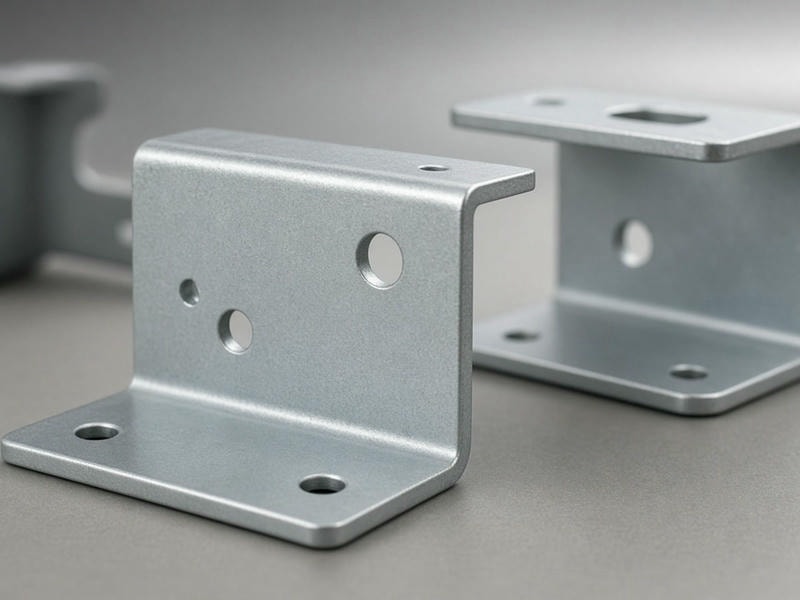
Precision Engineering for Electrical Assemblies
Electrical components demand specific tolerances. A mounting bracket that is out of alignment by even a fraction of a millimeter can cause issues with component fit, PCB stress, or improper grounding connections. We focus on the mechanical requirements essential to electrical hardware.
Hole Pattern Accuracy
Precision CNC punching and laser cutting ensure that mounting holes and cable pass-throughs align perfectly with your hardware.
Assembly Fit
We account for PEM hardware, standoffs, and captive fasteners that are standard in electrical enclosures.
Structural Rigidity
We select material thickness and bend profiles to support the weight of transformers, power supplies, and heavy-duty switchgear without deformation.
Manufacturing Capabilities
Our production facility is equipped to handle the specific requirements of electrical equipment manufacturing, maintaining tight tolerances throughout the process.
| Specification | Capability |
|---|---|
| Material Thickness | 0.5 – 12 mm |
| Laser Cutting Accuracy | ±0.05 mm |
| Bend Angle Tolerance | ±0.5° |
| Tapping Range | M2 – M12 |
| PEM Hardware | M2 – M10 (Nuts, Studs, Standoffs) |
| Max Bending Length | 3000 mm |
| Dimensional Tolerance | ±0.10 mm (Standard) / ±0.05 mm (Critical) |
We utilize TIG, MIG, and spot welding for assemblies where structural rigidity is required, ensuring clean, consistent joints that do not interfere with internal component placement.
Material Selection and Surface Finishing
Electrical equipment often operates in varying environments, from temperature-controlled data centers to outdoor industrial panels. We provide materials and finishes that address these environmental factors.
Commonly Used Materials
-
Cold Rolled Steel: Standard for internal enclosures and painted components.
-
Galvanized Steel: Provides inherent corrosion resistance for outdoor or high-humidity applications.
-
Stainless Steel (304/316): Necessary for medical, cleanroom, or corrosive environments.
-
Aluminum (5052/6061): Used when weight reduction and thermal conductivity are required.
Finishing Options for Electrical Safety & Durability
-
Powder Coating: Durable, insulating, and available in various colors for identification or aesthetics.
-
Zinc Plating: Offers corrosion protection while maintaining electrical conductivity.
-
Passivation: Essential for stainless steel to prevent surface oxidation.
-
Silk Screen / Laser Marking: For labeling, grounding points, and part identification.
Scalable Production: From Prototype to Mass Run
We bridge the gap between initial design and mass production. Many electrical equipment projects begin with a low-volume requirement for testing and certification.
Prototype & Low Volume
Using laser cutting and press brake forming, we produce functional parts without the need for expensive tooling. This allows for rapid design iterations if your assembly requirements change.
High Volume
As your project moves to full-scale production, we transition processes to stamping dies and automated production cells. This approach lowers unit costs and ensures repeatability across thousands of units, essential for standardized electrical distribution systems.
Design for Manufacturability (DFM) Support
We review every drawing before production begins. Our engineering team evaluates your designs to identify potential issues before they reach the assembly line.
-
Bend Feasibility
Ensuring bend radii are compatible with material thickness to prevent cracking or distortion.
-
Hole Location
Checking that hole placement does not interfere with the bending zone, which could cause hole deformation.
-
Hardware Compatibility
Verifying that PEM hardware specifications align with the material thickness and hole size.
-
Assembly Tolerances
Confirming that the final part will fit correctly within your enclosure or chassis.
Industries We Serve
We manufacture brackets for a broad spectrum of electrical and industrial applications.
Electrical Enclosures & Cabinets
Custom mounting brackets for DIN rails, terminal blocks, and circuit breakers.
Data Centers & Server Racks
Structural supports and cable management brackets.
Power Distribution
Heavy-duty brackets for busbars and transformers.
HVAC Control Systems
Mounting solutions for sensors, controllers, and actuators.
Request a Quote
We provide clear, detailed quotations based on your engineering drawings. Whether you have a STEP, DXF, or PDF file, our team will review your requirements for material, tolerance, and surface finish to provide an accurate lead time and cost estimate.
Send your files to
Mailing Address
Our goal is to provide the custom brackets your assembly line needs, on time and to print. We know brackets, and we are ready to assist with your next project.